Instrument Rating (IR)
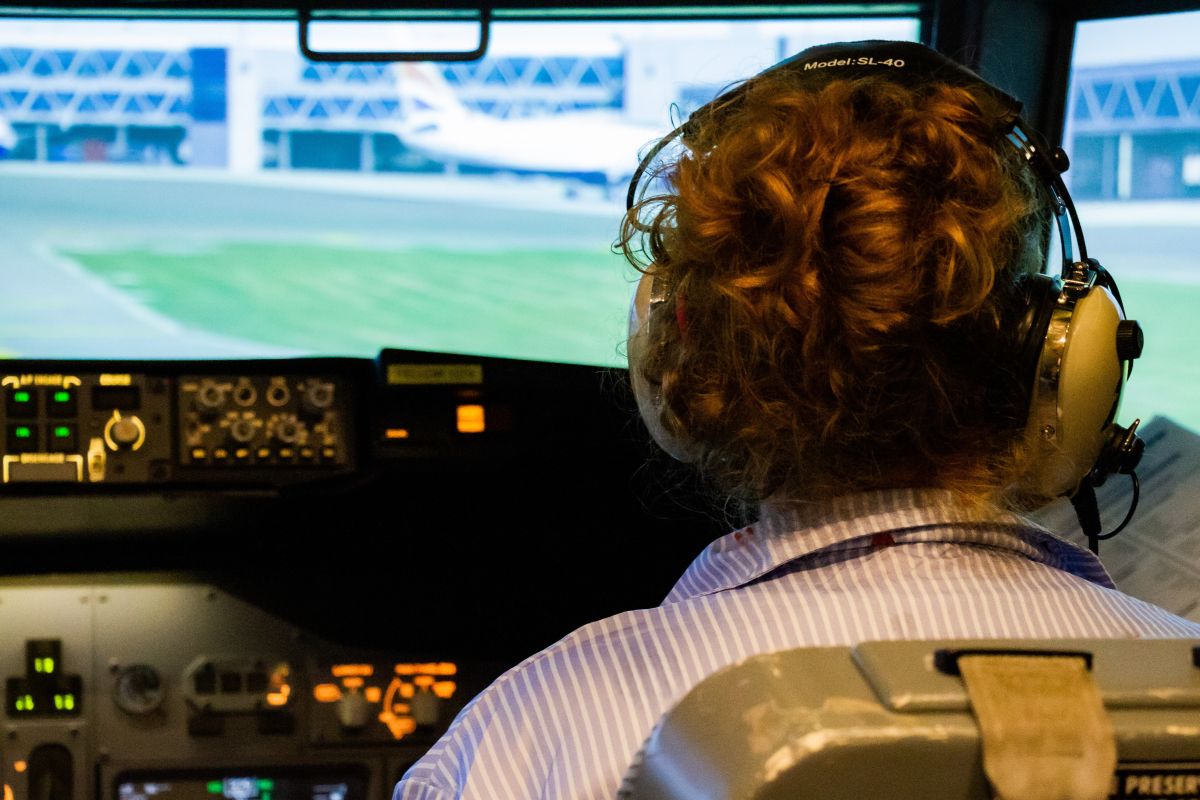
Your pilot license gives you freedom, but the weather often sets the limit. With the Instrument Rating at Special Air Academy, you learn to fly without outside visibility. You navigate purely by instruments through the clouds. For private pilots, this means more flying days; for future professional pilots, it is the required step toward commercial aviation. You increase your safety and learn to operate with professional precision.
Rated an average of 9.4
40+ years of experience in aviation
EASA-approved flight school
Flight training
The practical training consists of a program of 50 flight hours. We build the training step by step, ensuring you first gain full control of the aircraft before increasing complexity. The program is divided into two phases.
Phase 1: Basic Instrument Flying (10 hours)
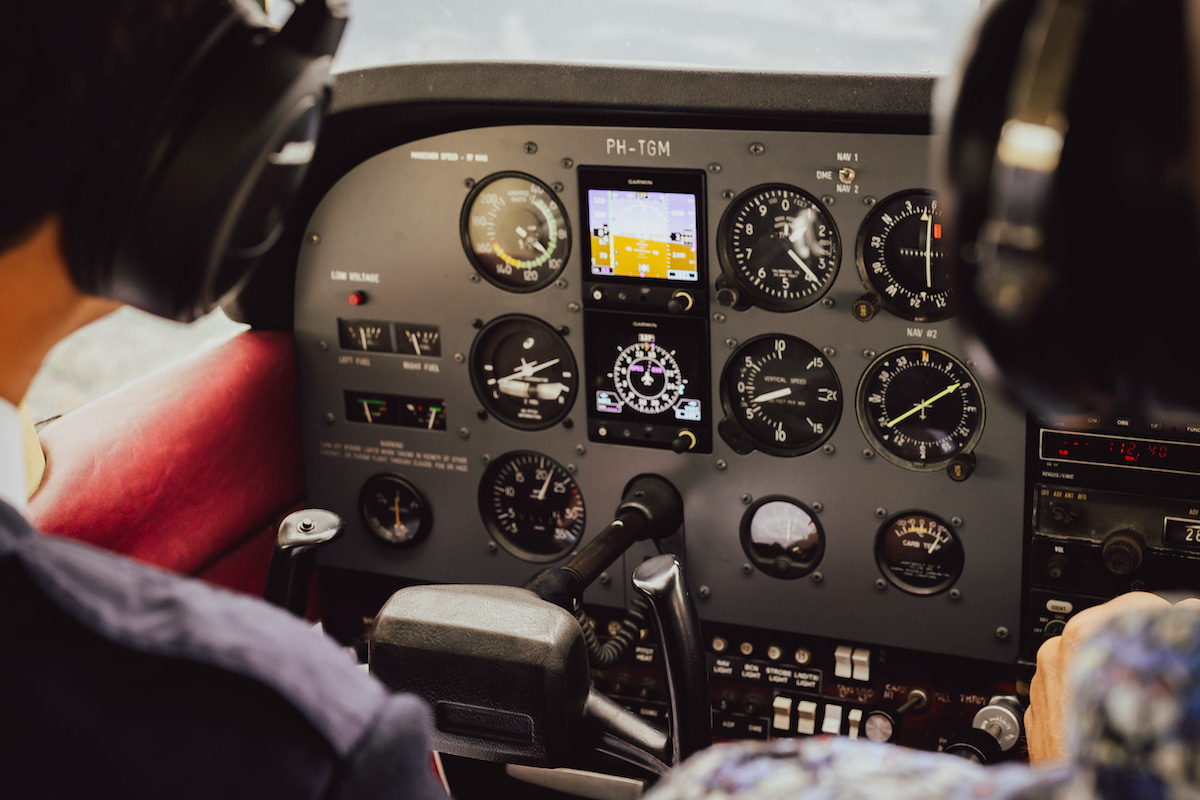
In the first phase, you learn to control the aircraft without outside visibility. You ignore your sense of balance and rely entirely on scanning and interpreting your instruments. You practice skills such as precisely maintaining heading, altitude, and speed, and making controlled turns purely based on cockpit data. This foundation is essential for the next stages of training.
Phase 2: Instrument Procedures (40 hours)
Once you have mastered the basics, you spend the remaining 40 hours applying procedures. You learn to navigate in controlled airspace using standard departure and arrival routes. A large part of this phase focuses on practicing approaches, enabling you to bring the aircraft safely to the runway using instruments. During this phase, you also learn to cooperate with air traffic control and manage cockpit workload effectively.
After completing this training, you will be able to carry out a flight safely from departure to landing in conditions of limited visibility.
Approved Training Organisation

Complete your flight training CO2-neutral
Special Air Academy and GreenCarbon offer the option to offset the CO2 emissions of your training flights (up to 70.525 kg per hour). This is achieved through certified Dutch projects that plant trees to remove CO2. These forests remain for at least 12 years and are clearly visible from the air, making them suitable targets for your navigation flights. The certificates are registered with ONCRA.org to ensure integrity.

Theory Course
For the theoretical part, we collaborate with Orbit Groundschool. Here you can choose either the specific theory for the Instrument Rating or the full ATPL theory. You complete all theoretical subjects within a period of 18 months. Once you have passed, your results remain valid for 24 months. Within that time, you must successfully complete the practical exam.
Pricing
Aantal
Vlieguren
Instructie
Landingen
The listed rates include VAT. These prices are estimates based on the legal minimum requirements for the practical flight training. No rights can be derived from these guidelines.
Admission requirements
Before you can start the training, you must first:
- have at least a PPL(A).
- Have flown cross country (overland) for 50 hours as a captain
Before taking your practical exam, you must undergo a Class 2 medical examination (for private pilots) or Class 1 (for professional pilots), including a hearing test.